Modernizing Aviation Fueling Systems Through Controls Integration
Meeting the Next Era of Aviation Fueling
Air travel demand is accelerating once again. According to Airports Council International-North America (ACI-NA), U.S. airports will accommodate nearly 1 billion enplanements in 2025, with forecasts climbing to 1.4 billion by 2040 and 1.7 billion by 2050, a clear signal that aviation infrastructure must evolve to keep pace with growth.
Meeting that demand is not only about adding gates and runways - it’s also about making existing infrastructure smarter, safer, and more resilient.
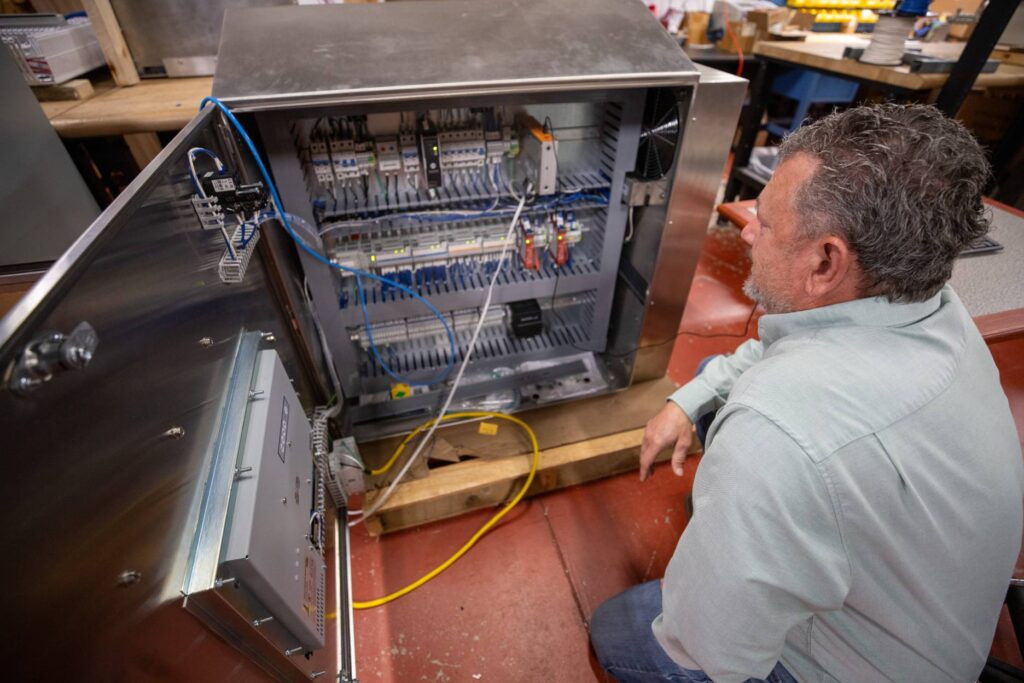
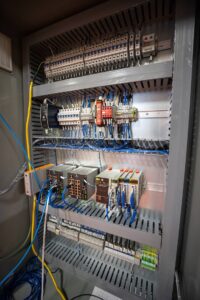
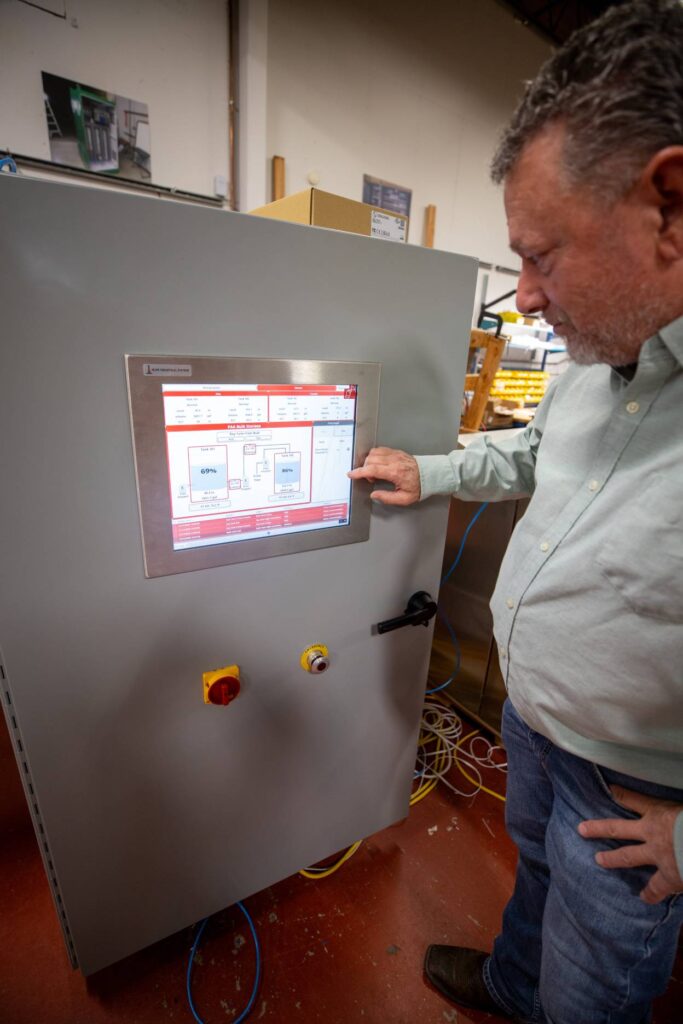
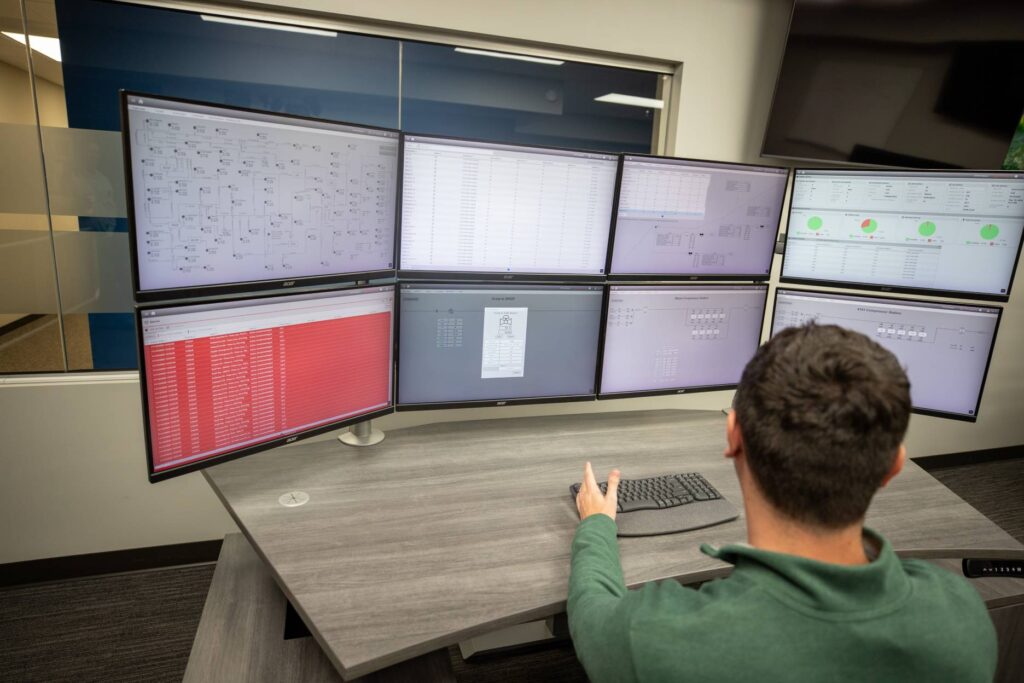
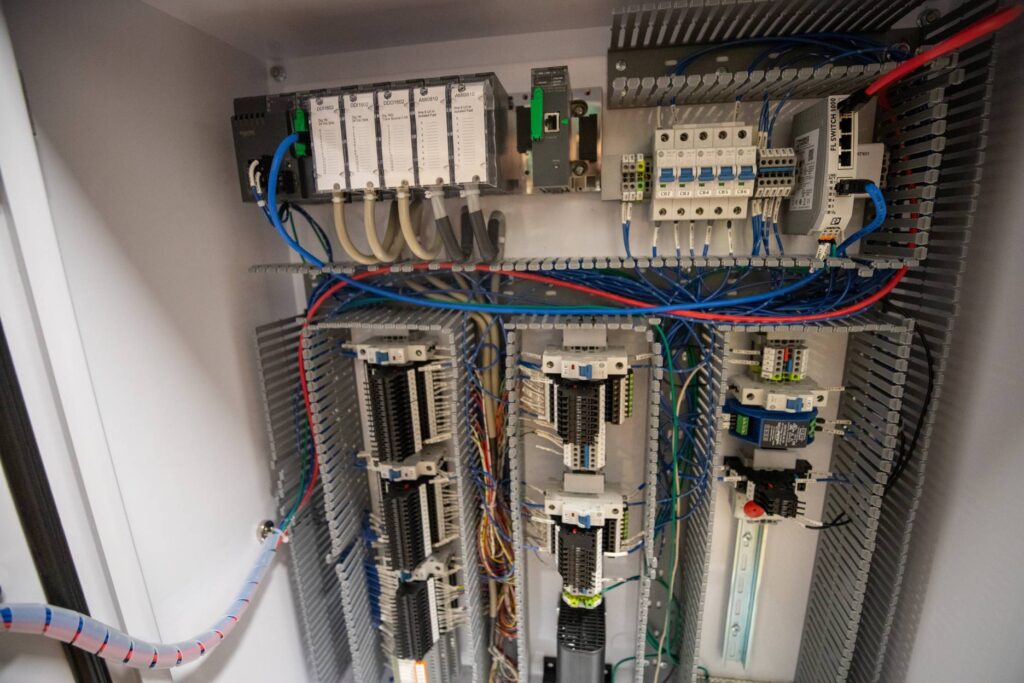
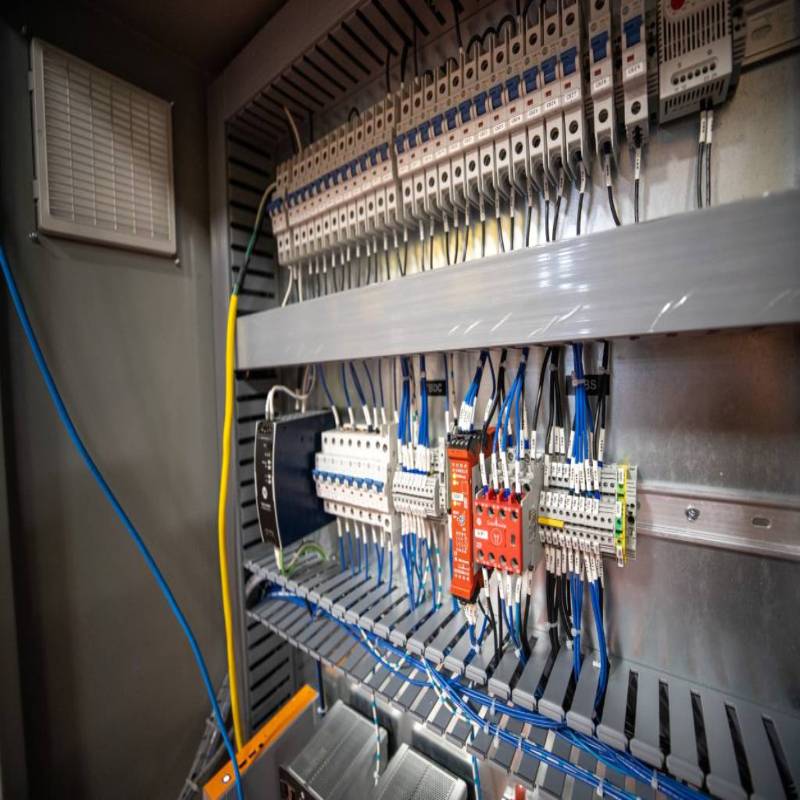
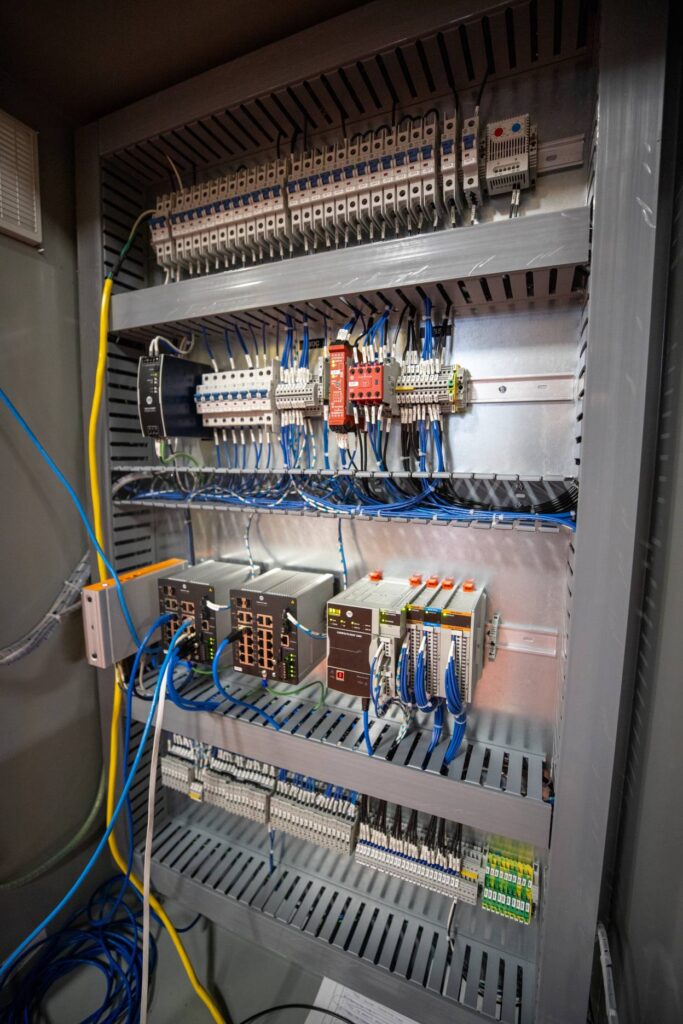
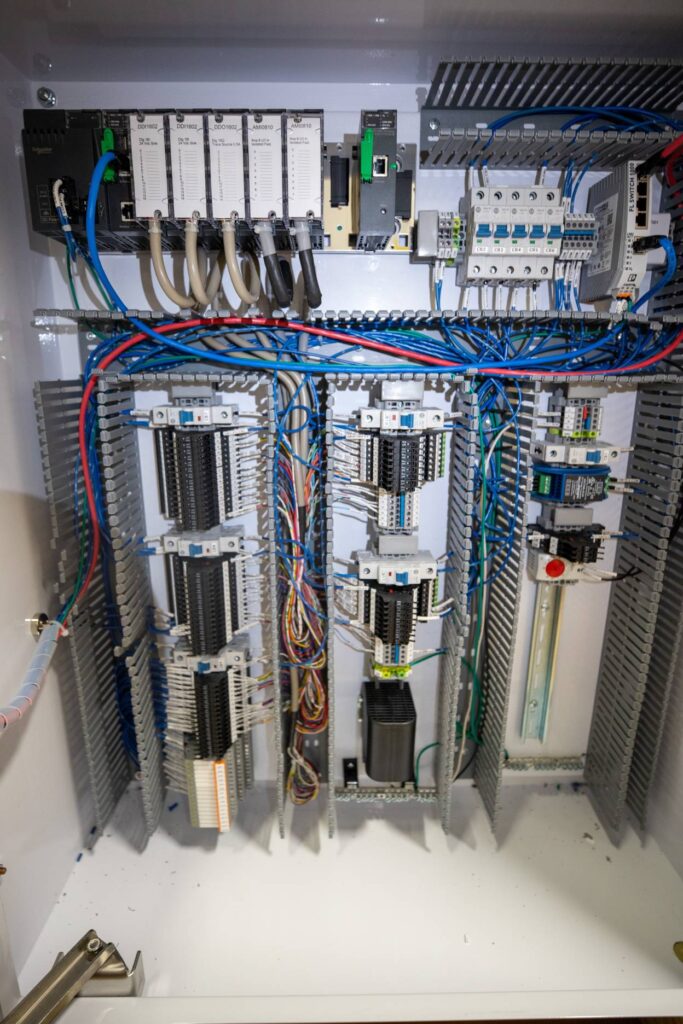
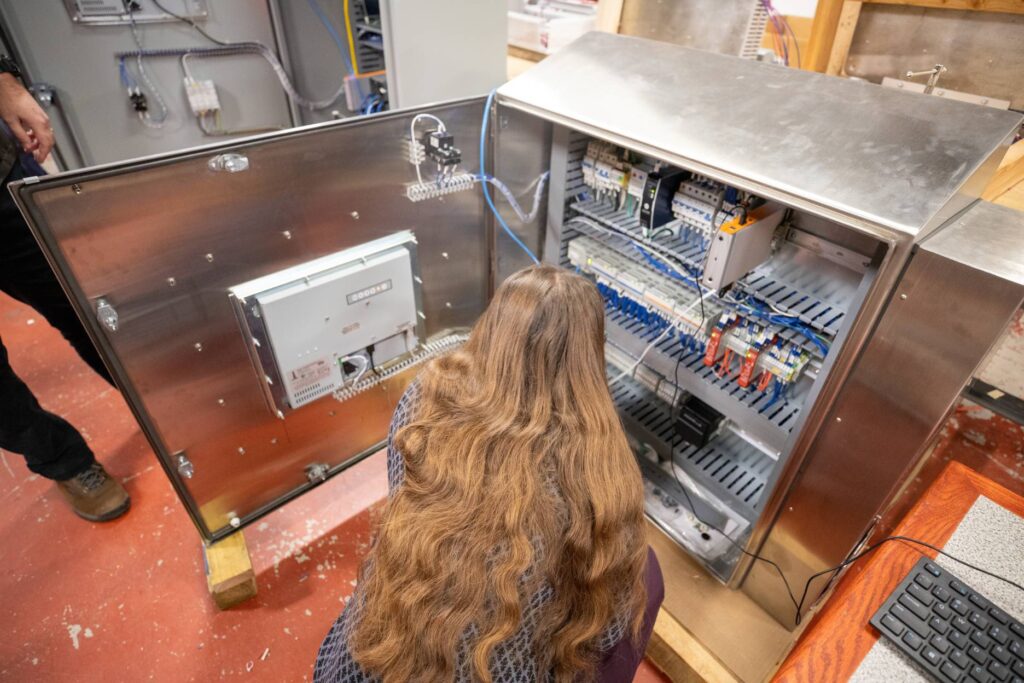
At fueling facilities, the control systems are the unseen brain that keeps fuel flowing safely and efficiently. These complex networks are made up of a variety of monitoring devices and computer hardware to manage all aspects of the operation. The system controls facility operations, monitors conditions, and provides critical information to operating - quietly driving safe and reliable airport operations.
As these systems age, operators face rising maintenance challenges, cybersecurity threats, and limited flexibility to meet new industry regulations.
To help airports, airlines, and fuel operators stay ahead, Argus Consulting established our Integration Support Services (ISS) - a dedicated Controls Integration program designed to modernize, secure, and optimize fuel facility control system software and hardware. Acting as an extension of your team, Argus brings TSA-informed compliance expertise, deep technical knowledge, and specialized engineering experience to support day-to-day fueling operations and long-term equipment reliability.
Why Modernizing Control Systems Matters
Aviation fuel facilities are critical infrastructure. When the controls systems fail, disruptions can cascade, affecting airlines, passengers, air traffic, and supply chains.
Today’s most common pain points include:
- Aging infrastructure with legacy SCADA (Supervisory Control and Data Acquisition), HMI (Human-Machine Interface), and PLC (Programmable Logic Controller) systems, often with little or no documentation
- Existing gaps between design intent and operational reality when engineering and integration staff are not integrated
- Limited scalability or adaptability as automation needs evolve
- Delayed response times and limited support from third-party integrators leave operators without timely troubleshooting or accountability
- No single point of accountability for control systems and cybersecurity
- Poor visibility into system health and cybersecurity vulnerabilities
- Uncertainty around compliance with TSA (Transportation Security Administration), NFPA (National Fire Protection Association), and API (American Petroleum Institute) standards
- Increased cybersecurity risks under the TSA Directive SD-02F
Without a trusted integration partner, these challenges lead to growing costs, compliance risks, and operational downtime – putting both safety and reliability at risk.
SD-02F compliance isn’t optional – it's operational assurance.
TSA cybersecurity directives aren’t one-size-fits-all. While Security Directive SD-02F is the active cybersecurity directive, its requirements are risk-based and scalable. Medium and large hub airports – and other higher-risk covered entities – are subject to more comprehensive, ongoing compliance expectations, while smaller or lower-risk facilities may meet SD-02F through streamlined implementations aligned to their size, complexity, and risk profile. Argus helps facilities interpret these directives and design modernization plans that align with their scale and operational risk.
How Argus Delivers Integration Support Services
Our ISS framework follows a three-phase approach: Assess, Implement, and Maintain.
Assess
We begin with a comprehensive review of the existing systems at your facility, including network architecture, cybersecurity posture, system performance, and gap analysis. Findings are delivered in a detailed assessment report with current inventory, recommended upgrades, corrective actions and a modernization roadmap outlining project scopes, timelines, and budgets. We recommend this as the first step for facilities to get a sense of the current state of their equipment.
Implement
Based on the assessment report, Argus will help you prioritize and execute upgrades. This can include code development, equipment support, training, or turnkey design-build delivery through Argus Construction Management for a single point of communication and accountability.
Maintain
For continuous support, Argus offers ongoing integration services to update and secure your facility’s control system. Each year, projects are scoped around operational changes, compliance updates, and asset lifecycle plans. Support includes preventive maintenance, patch management, code updates, cybersecurity management, and on-call troubleshooting — keeping your systems compliant, dependable, and secure.
The Value of ISS with Argus
Partnering with Argus gives fuel facilities technical resources and customer support to help keep operations safe, efficient, and future-ready. Benefits include:
- Reliable infrastructure through proactive maintenance and lifecycle planning to reduce downtime.
- Cybersecurity resilience aligned with TSA, NFPA, API, and FAA standards.
- Future-ready infrastructure with scalable architecture that evolves with technology
- ROI through risk reduction. Modernized control systems and documented cybersecurity programs can reduce total insurance and operational risk exposure by demonstrating measurable, documented improvements in cybersecurity and system resilience.
- Quick and reliable support. Modern operations require a Security Operations Center (SOC) that monitors, detects, and responds to cybersecurity threats across the Controls and IT infrastructure.
- Multi-vendor expertise across monitoring devices, PLCs, and SCADA systems – giving you freedom of choice and data visibility.
- Optimize data with real-time metrics for faster, smarter decision-making.
Your Strategic Partner in Controls Integration
An outdated control system isn’t just inconvenient — it’s a liability. From cybersecurity risks to compliance gaps and costly downtime, the risks of waiting are too high.
With Controls Integration Support Services (ISS), Argus delivers end-to-end lifecycle support for fueling automation, ensuring your facility remains safe, efficient, and compliant for years to come. Our team combines engineering precision with TSA-informed cybersecurity discipline, turnkey delivery methods, and a deep understanding of operational risk management.
That’s the value of working with Argus: a trusted partner who helps fuel facilities to modernize confidently, operate more securely, and improve reliability, compliance, and long-term performance.