
Beyond the New Tank: How SMF Is Preparing Its Jet Fuel Infrastructure for Future Growth
Sacramento International Airport (SMF) welcomed a record 13.9 million passengers in 2025. As the airport prepares for more flights and travelers, the airline fuel consortium serving SMF is expanding the infrastructure that makes those flights possible.
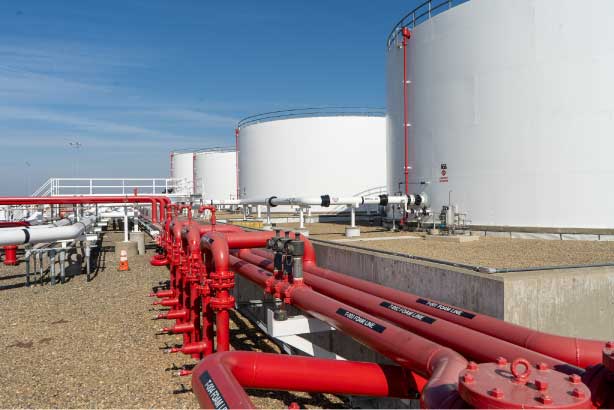
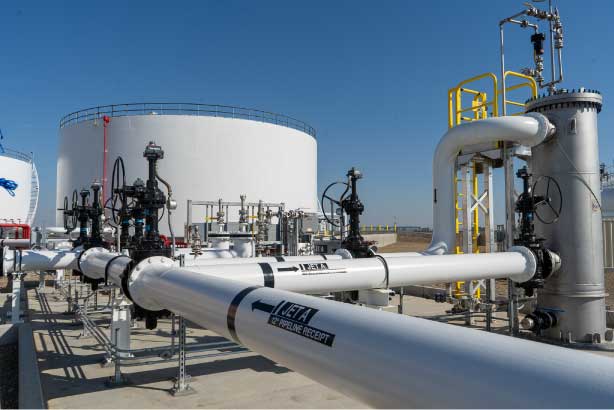
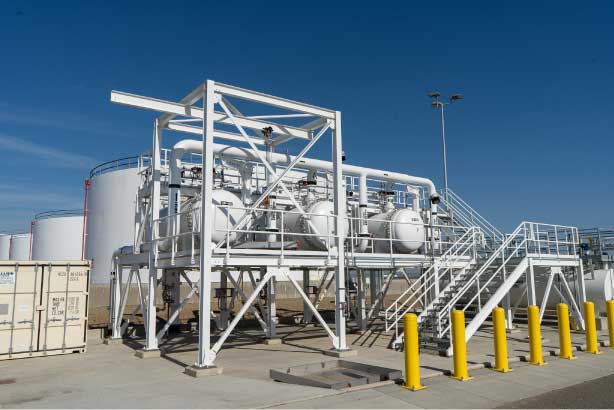
At the center of that work is a fourth 54,000-barrel aboveground jet fuel storage tank, paired with new transfer, filtration, receipt, and fuel-quality monitoring systems. The completed expansion increased usable fuel reserve coverage from 14 to 19 days, based on figures provided for the November 17 announcement.
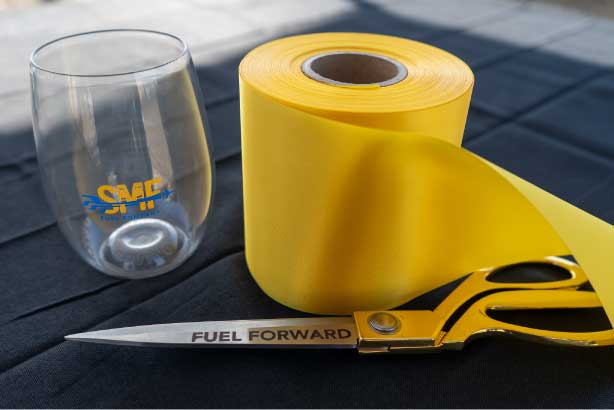
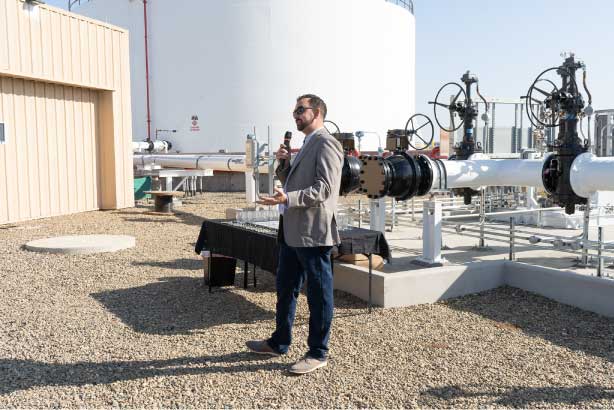
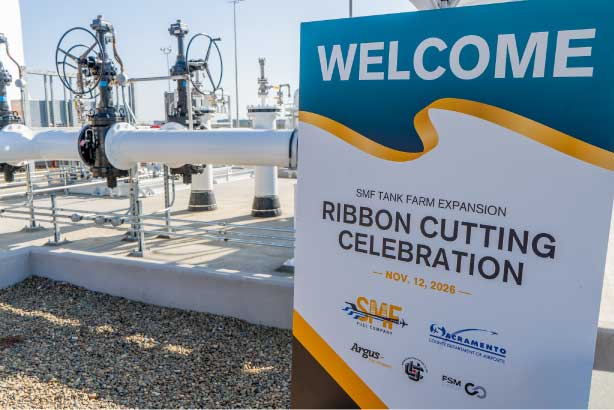
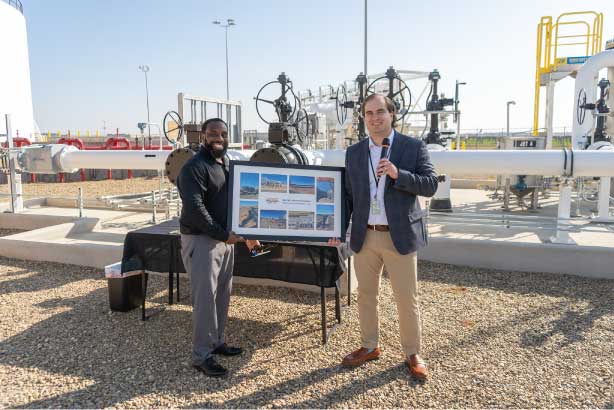
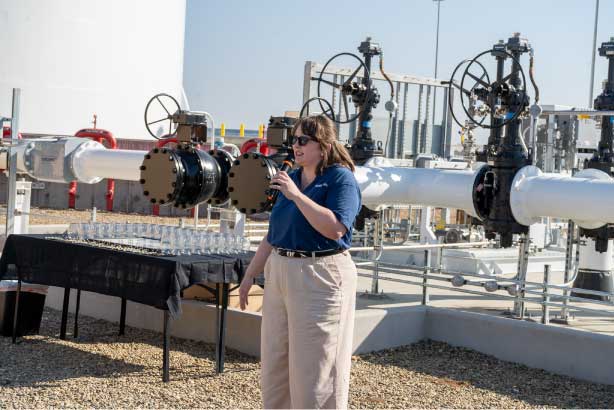
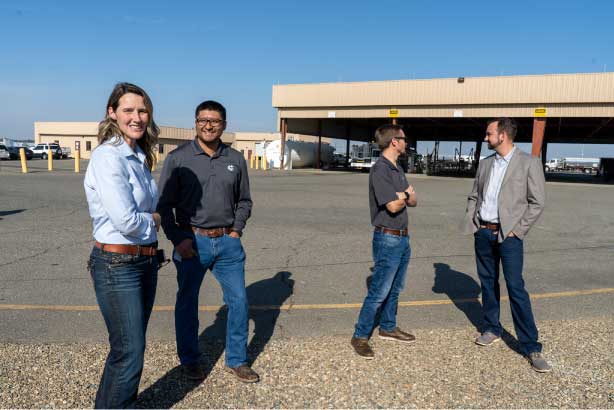
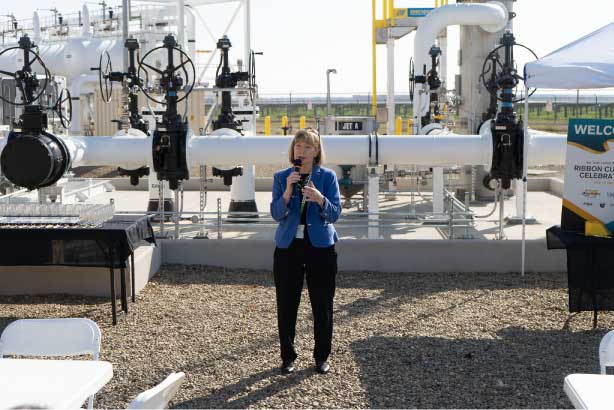
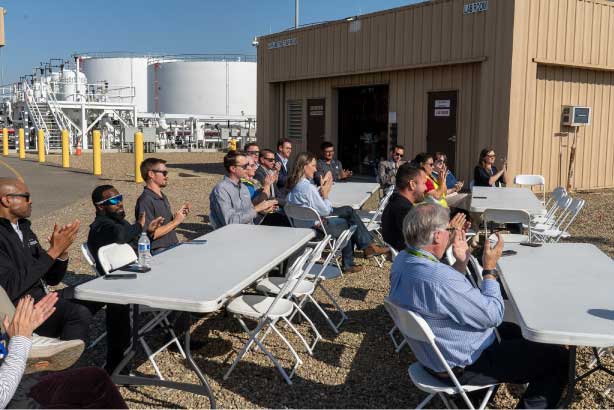
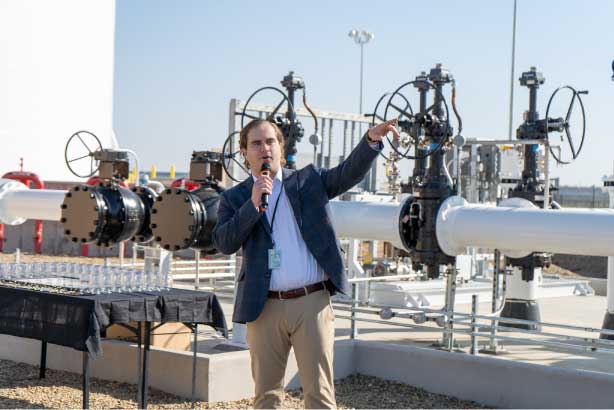
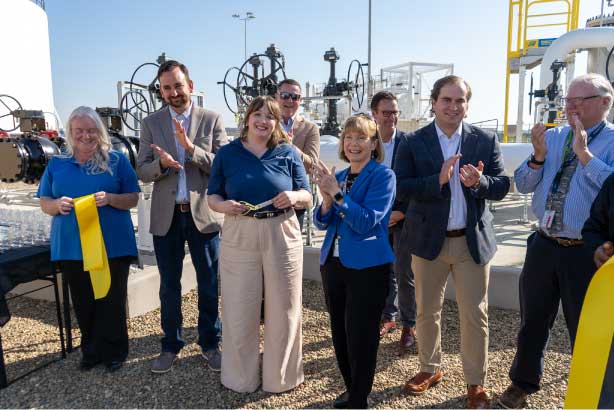
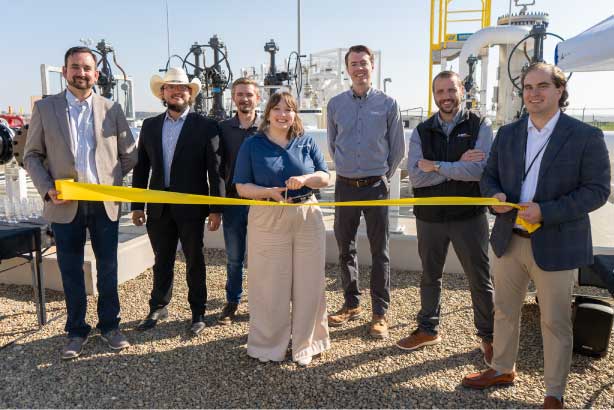
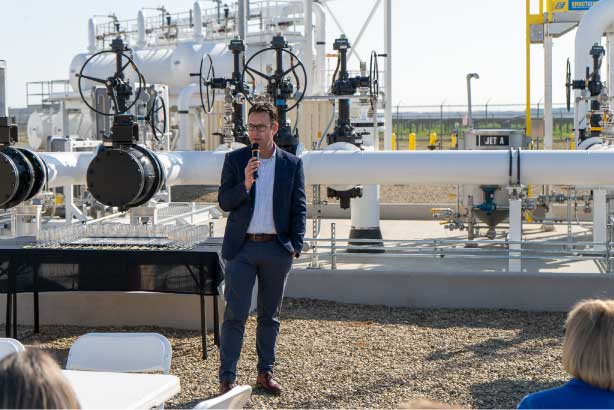
SMF Fuel Company and representatives from the Sacramento County Department of Airports, Sacramento County, Argus Consulting, facility operator FSM Group, general contractor Underground Construction Co., and other project partners marked the milestone at a November 12 ribbon-cutting.
Why additional jet fuel storage matters
A fuel facility must be able to receive deliveries, store jet fuel, maintain fuel quality, and transfer product to support airline activity. A larger tank alone would not deliver the full benefit of the expansion without the piping, filtration, controls, and monitoring equipment needed to work with the existing facility.
For SMF Fuels, the additional five days of usable reserves provide more flexibility between deliveries and help the consortium respond to changing demand and potential supply interruptions. This is reserve coverage under the applicable planning assumptions, not a guarantee that the airport can operate for 19 days without deliveries under every circumstance.
Engineering the full system, not just the tank
Argus Consulting, Inc. provided engineering design, construction administration, and full-time resident engineering services on behalf of SMF Fuel Company. Its work extended through construction, with progress reviews, submittal and request-for-information reviews, contractor coordination, and field support.
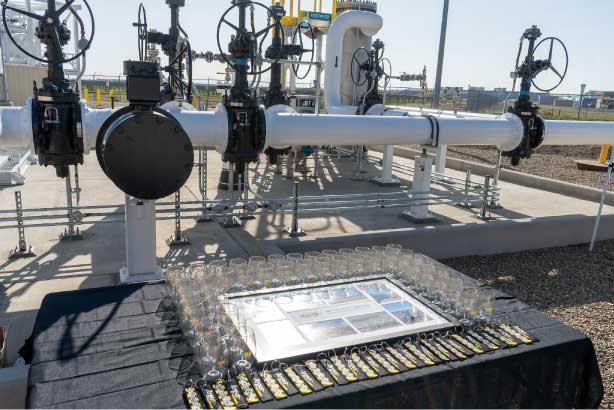
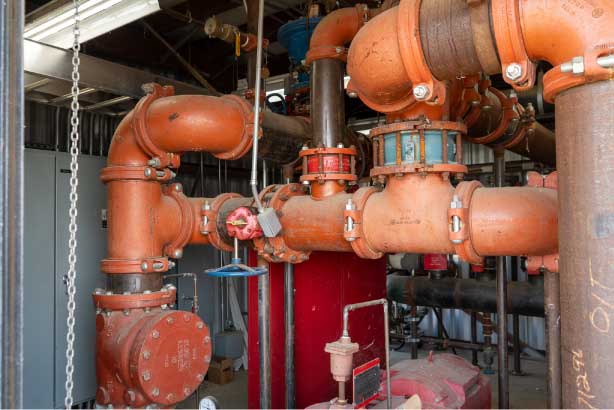
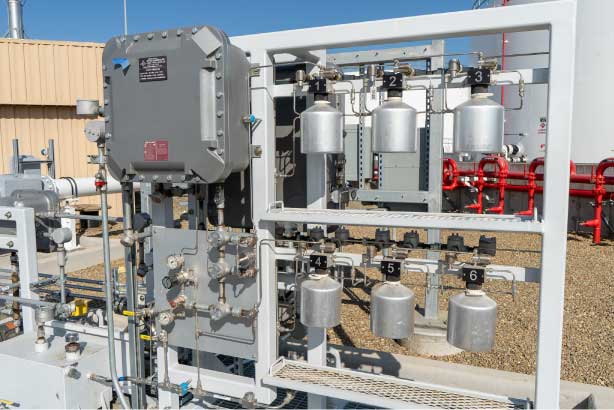
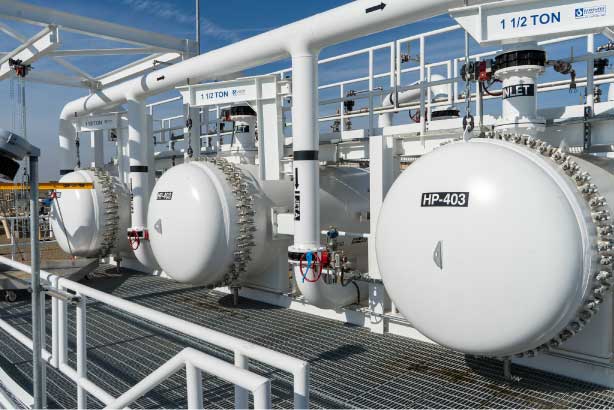
The expansion included a dedicated tank-to-tank transfer system with a 50-horsepower pump and a filtration train comprising a prefilter, clay treater, and filter separator. Associated design work covered piping, instrumentation, controls, electrical distribution, and cable trays.
New pipeline receipt equipment included an automated sampling skid designed to collect samples during receipts and monitor fuel characteristics, including density and flash point. The project profile also identifies a magnetic particle separator, three Haypack vessels, a waste and reclaim tank, and civil, structural, fire protection, and cathodic protection improvements.
Underground Construction Co. served as general contractor. FSM Group operated the existing facility throughout construction. The project teams coordinated installation and technical review around ongoing fueling activity, with attention to safe work practices and the requirements of an active airport fuel facility.
A growing airport, with the infrastructure to match
SMF is advancing SMForward, its approximately $1.4 billion airport modernization program, with additional gates, passenger facilities, and transportation improvements planned. The jet fuel tank farm expansion is a separate project, but it helps prepare SMF to support future airline activity associated with that growth.
The people traveling through SMF may never see the fuel tank farm. Yet fuel storage, receipt, and quality-management systems are essential elements of the airport infrastructure supporting flights and the region’s connections to other destinations.
Modernizing fire suppression in a separate project
Argus’s work at SMF also includes a separate design-build fire suppression modernization undertaken by Argus Consulting and Argus Construction Management. That project addresses the transition from aqueous film-forming foam (AFFF), which contains PFAS chemicals, to fluorine-free foam (FFF), in response to evolving California fire protection and environmental requirements.
The planned scope includes replacement of foam concentrate and compatible bladder components, sections of foam concentrate piping and proportioning equipment, and truck-rack foam sprinkler nozzles. The existing tank and truck-rack canopy systems had different hydraulic requirements, so the design called for separate proportioners rather than a straightforward like-for-like equipment replacement.
The team worked with the fire authority, SMF Fuels representatives, and client legal and environmental advisers to resolve design and permitting questions.
SAIM: Managing the facility after construction
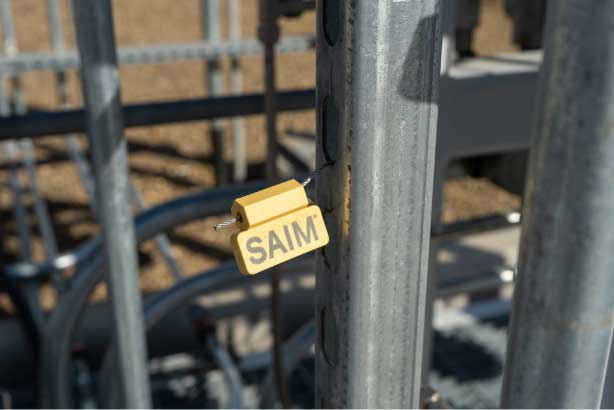
SMF Fuel Company was an early adopter of SAIM, Argus Companies’ infrastructure management platform, and remains an established user of all three solution areas: Maintenance, Monitoring, and As-Builts/Digital Twin.
At SMF, the platform supports maintenance planning and inspections, monitoring equipment signals, and access to digital facility models and asset records. These capabilities help teams use information about equipment and systems as part of their day-to-day facility work.
Specialized support across the facility
The tank farm expansion, separate foam conversion and SAIM deployment are distinct initiatives at one airport fuel facility. They demonstrate different ways Argus Companies supports clients, from aviation fueling engineering and construction-related work to fire protection modernization and digital asset information.